Lilac-Infused Honey
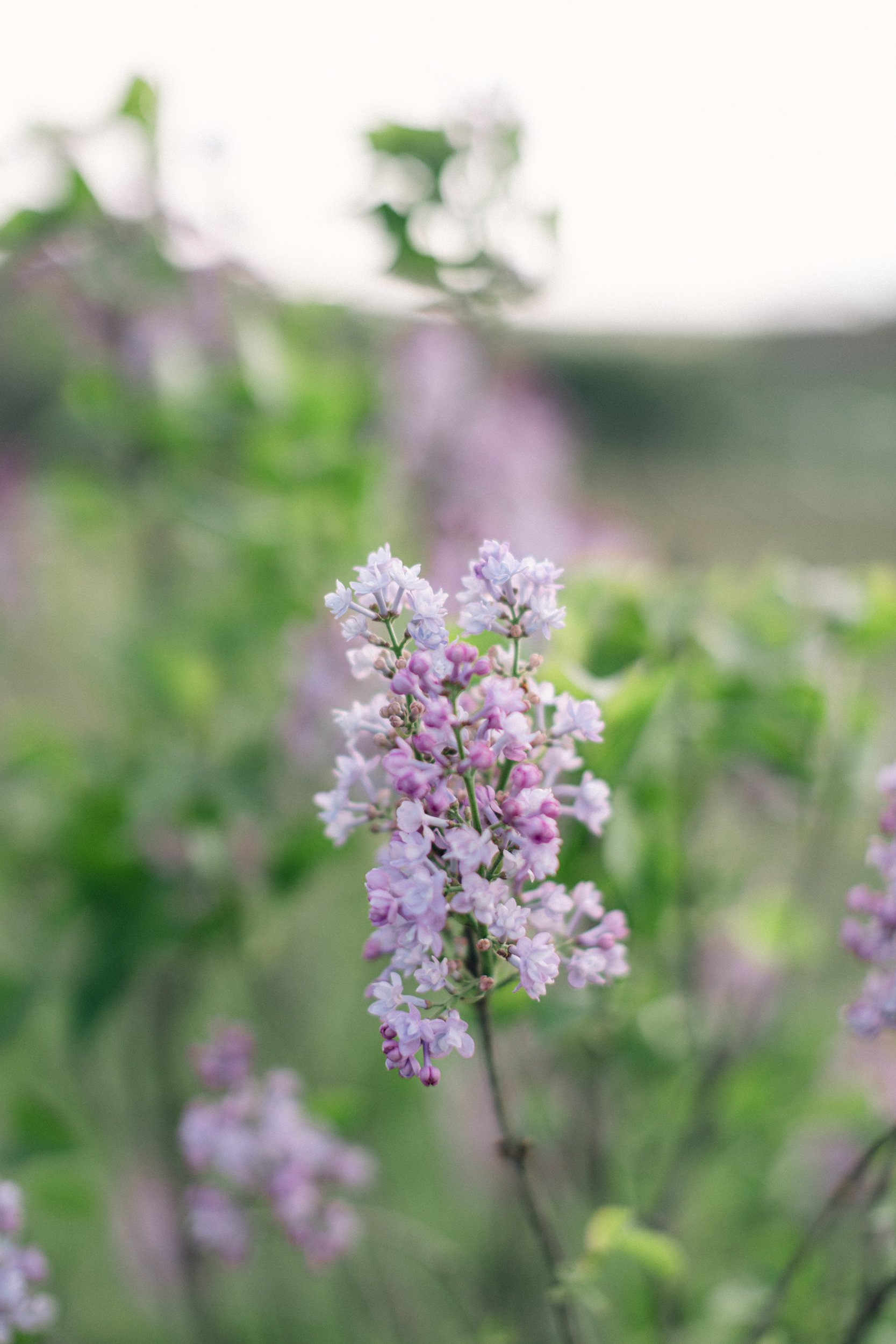
I have an affinity for lilacs in the springtime, especially for their intoxicating scent. Their blooms signal to me the shift to green is fast approaching, and literally within a week of their blossoms opening the rest of the woodland is leafing out and spring really feels like it has arrived.
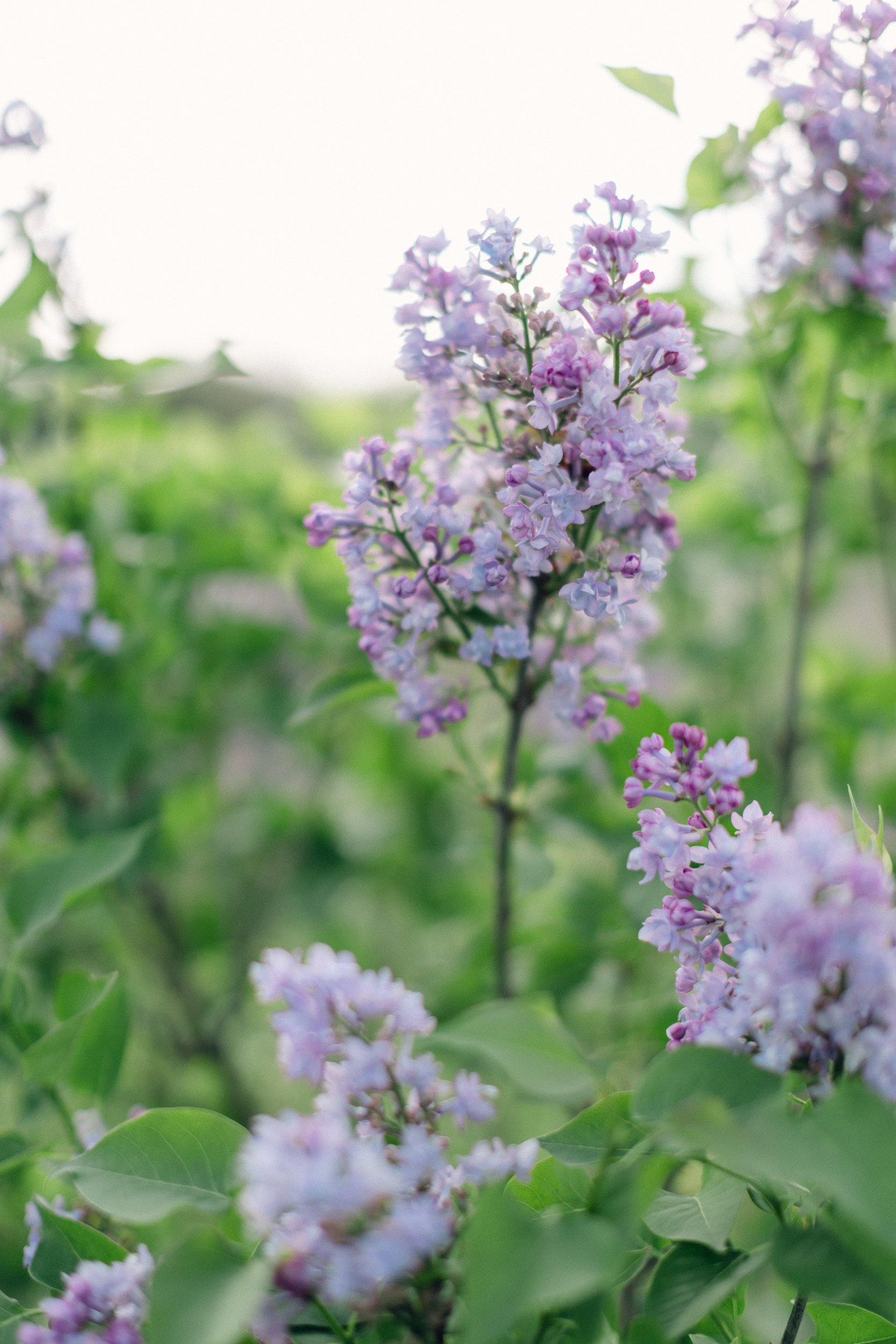
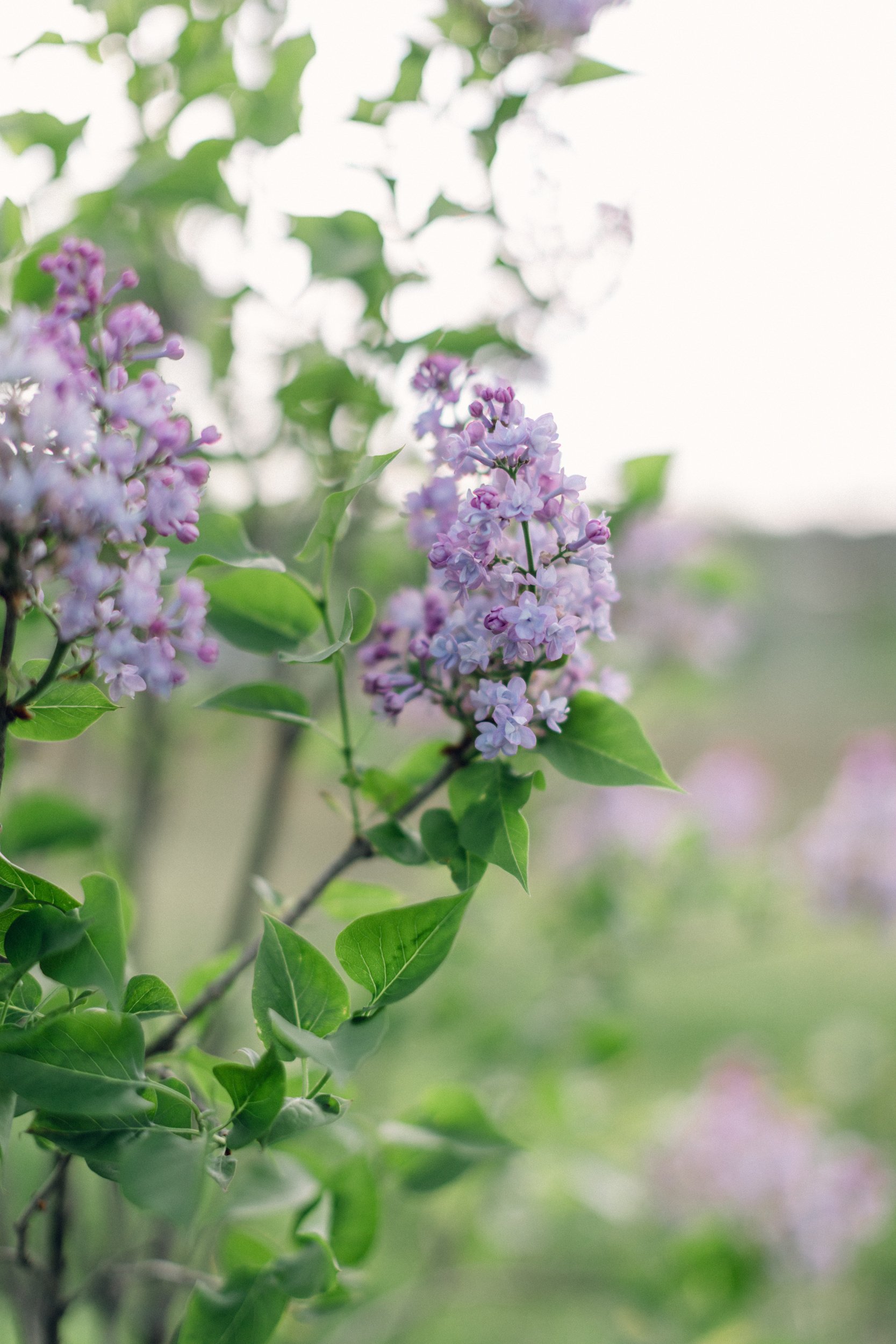
Lilacs (Syringa spp.), belonging to the olive family (Oleaceae), are not a native species to North America. They originate mainly from Eastern Europe and Asia, and have long been cherished by European Americans. I first encountered lilacs in the woods near my home planted right where an old farmhouse once stood. It was a single bush, but quite tall and mature, and the bees would hum around the soft purple blossoms each end of April/early May. Unfortunately, that bush has since perished, but I have planted near my home (built up the hill from this old farmstead site now) five new lilac shrubs of two different varieties: French Lilac v. ‘Michael Buchner’ and Lilac Scentara Double Blue.
Lilacs are non-native, but thankfully are also non-invasive here in Pennsylvania. They may not offer a boost in health and support to the surrounding ecosystem, but they do not tend to proliferate or out-compete beneficial native species and bring harm to the ecosystem either. And they definitely do bring personal connection and historical meaning to me, which is why I choose to include them in my gardening ventures.
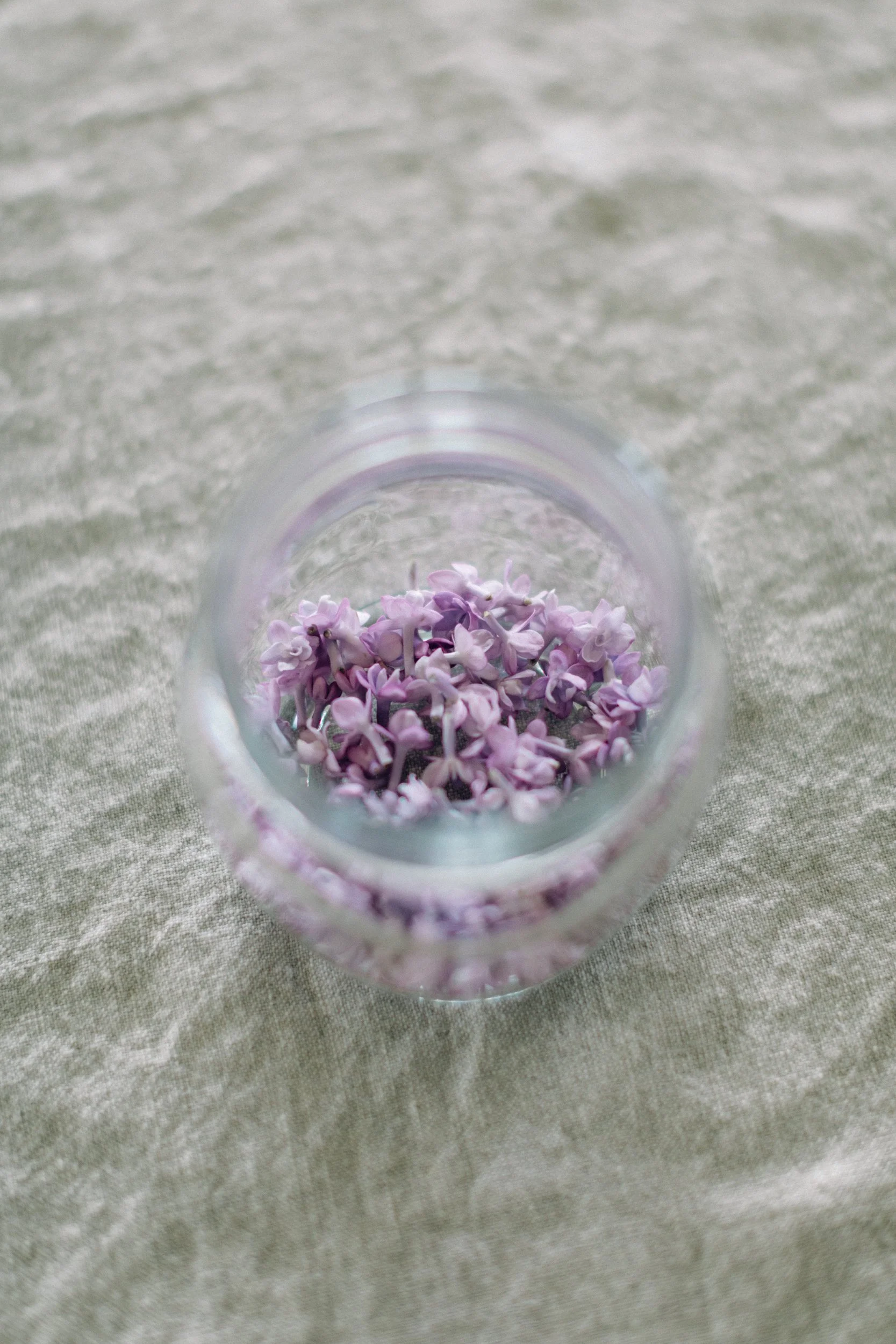
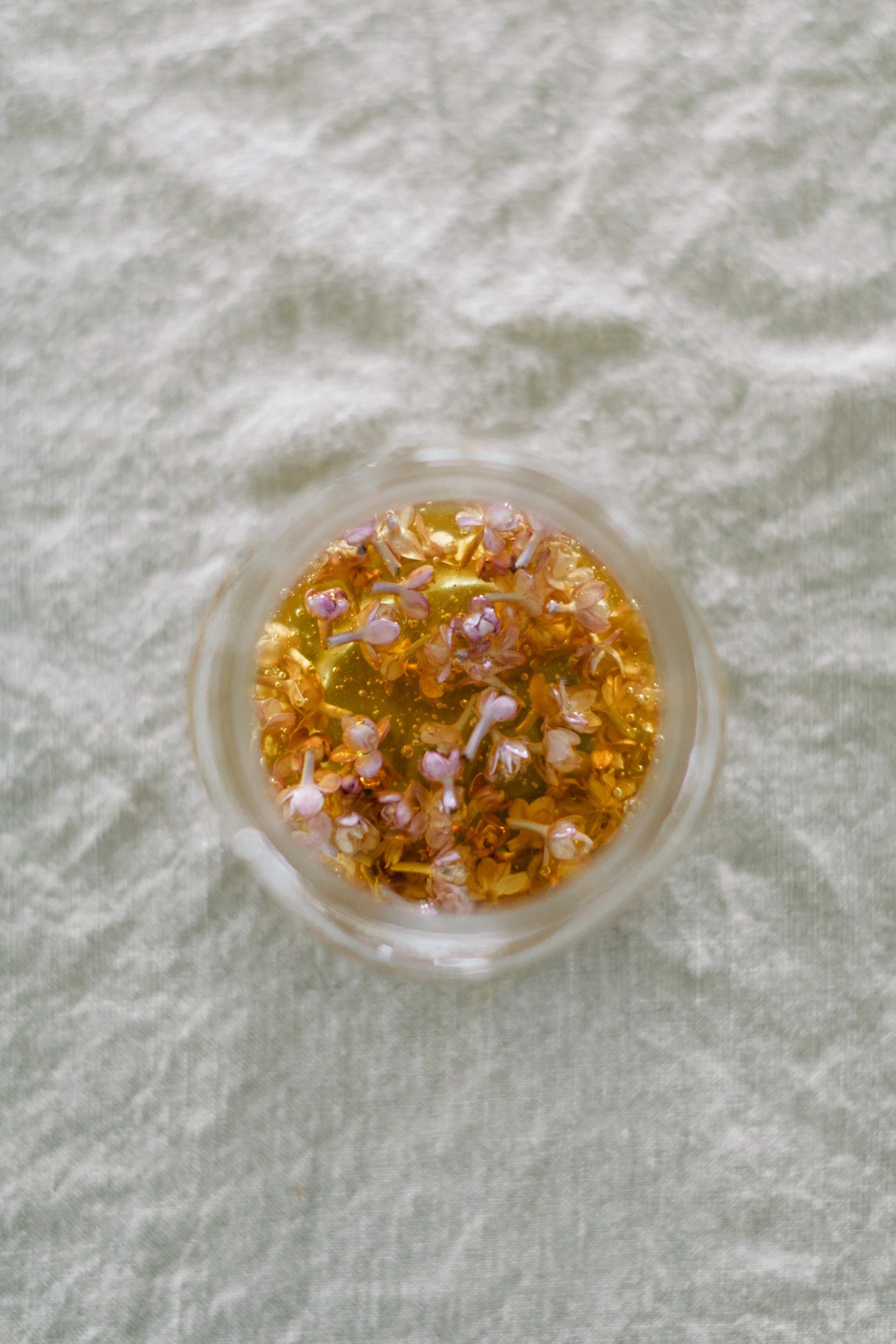
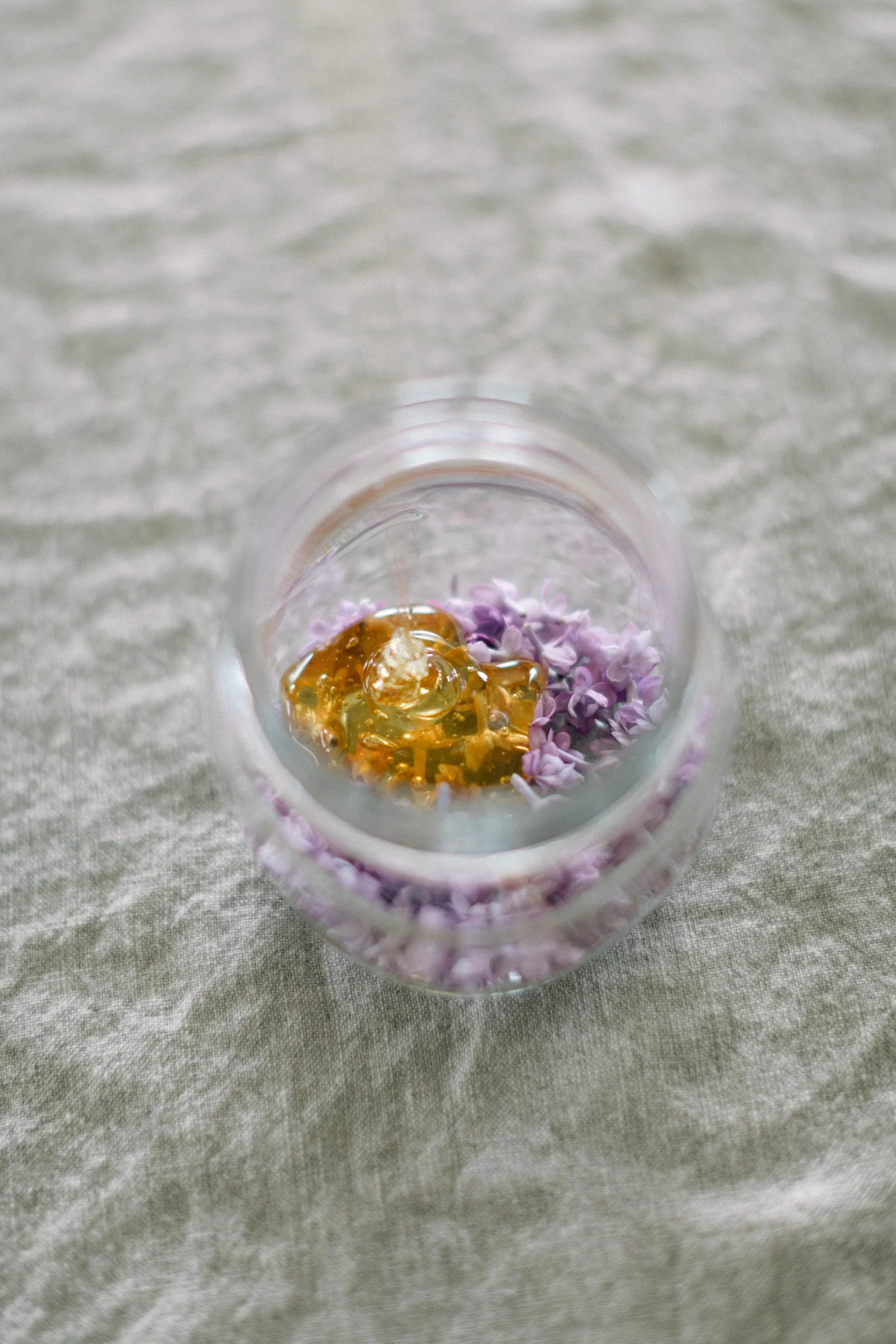
A sweet way I like to savor lilacs is by making lilac-infused honey. It’s super simple! Make sure to use flowers from shrubs that are not treated with chemicals or sprays, and harvest when the lilacs are in peak bloom — open, and no browning. When you harvest, keep an eye out for other lilac lovers on the branches, and gently hold stems and tap against your hand or arm to release any bugs that may be on them. Then pick off individual blossoms, being sure to remove green stems which may leave a bit more of a bitter taste, and put them into a clean jar. Next, cover the blossoms completely with honey, using a fork or skewer to work the honey and blossoms down to the bottom of the jar and release larger air bubbles (note the lilac blossoms will eventually work their way back to the top of honey). Put the lid on and leave it to set for a couple of weeks. You can give it a little stir if you want as you check in on it, and then after a couple weeks have passed you can scoop out the blossoms from the top or continue to leave in — they are perfectly edible — and you’re ready to drizzle your delectable floral-noted honey however you like! It’s such a fun way to taste the springtime.