Spring Garden Cleanup: Trimming Stems for Bee Habitat
Spring garden maintenance starts up for me when we’re about halfway into the season with the nightly low temps steadily rising above freezing for several days, and my first task is the cleanup of last year’s growth that has overwintered. Years ago, I learned to leave seed heads and stems to stand through winter for a multitude of reasons that bring health to the garden ecosystem, and helps lighten the load of garden to-dos in the fall time when we should be taking the cues from the season to slow down a bit more.
Leaving the seed heads and stems in the fall provides valuable food and habitat resources through those months of winter where the weather makes survival quite challenging. I’ve seen lots of birds picking out seeds from the grasses and flowers around my gardens during the fall migration and into the winter. And I’ve uncovered many insects slumbering at the bases of stems and under the leaf beds that collect around the plants’ bases, sheltering them from the cold and snow we get here in central Pennsylvania.
The plants themselves are much better off as well, as leaving the garden be and not “tidying up” in the fall helps plants to have more insulation from snow and cold. Plus, fall trimming can sometimes trigger plants to put on new growth, which then leaves it susceptible to stress and mortality since at that time of the season their energy needs to be going down to the roots not up to new growth, and the plant needs to enter into its dormant state in order to survive the winter.
I also just personally love seeing the foliage through the cold months, and to observe how it changes, and the structural presence it brings in the fallen snow — it looks like art, and I find great comfort in that when days are short, dark, and cold!
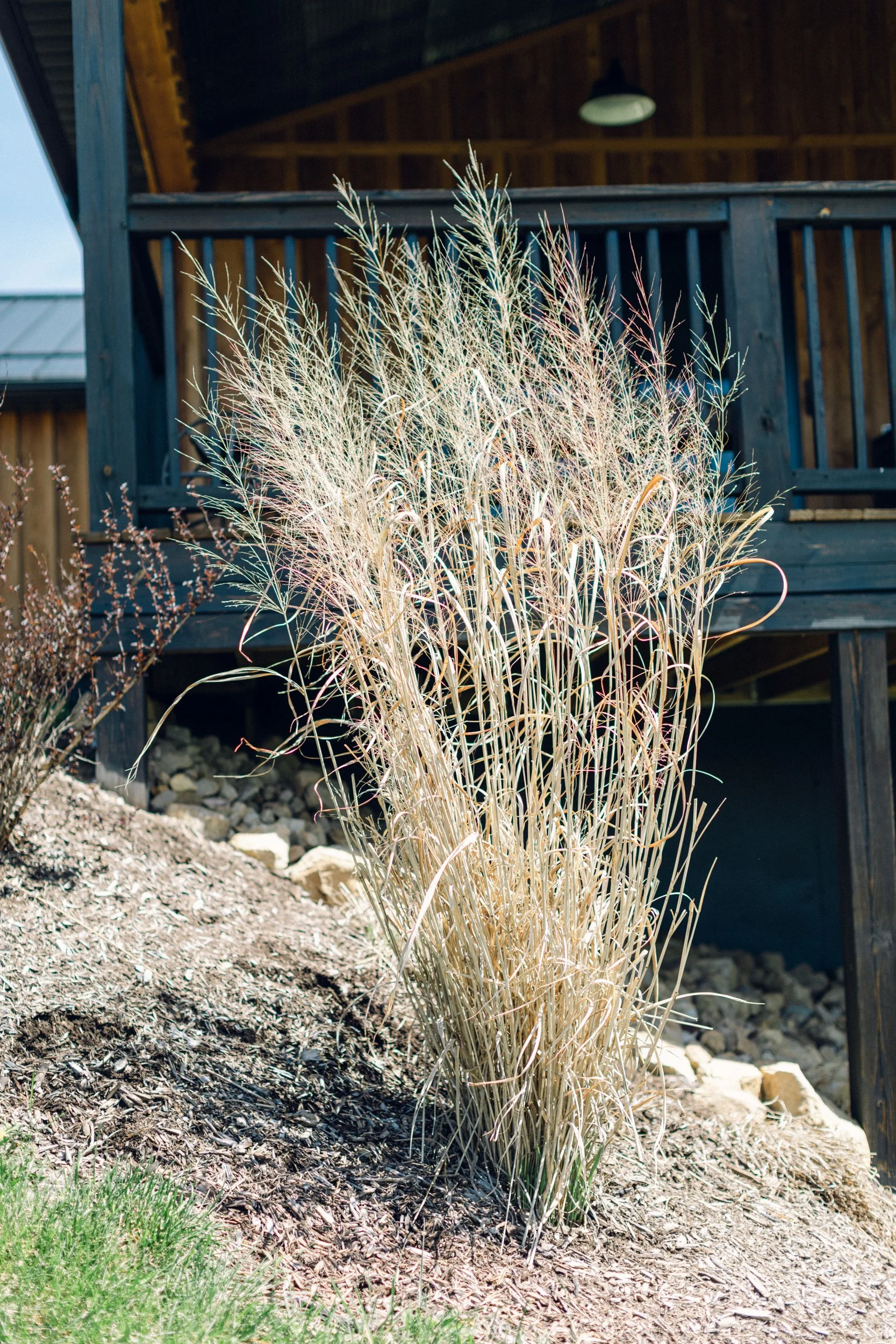
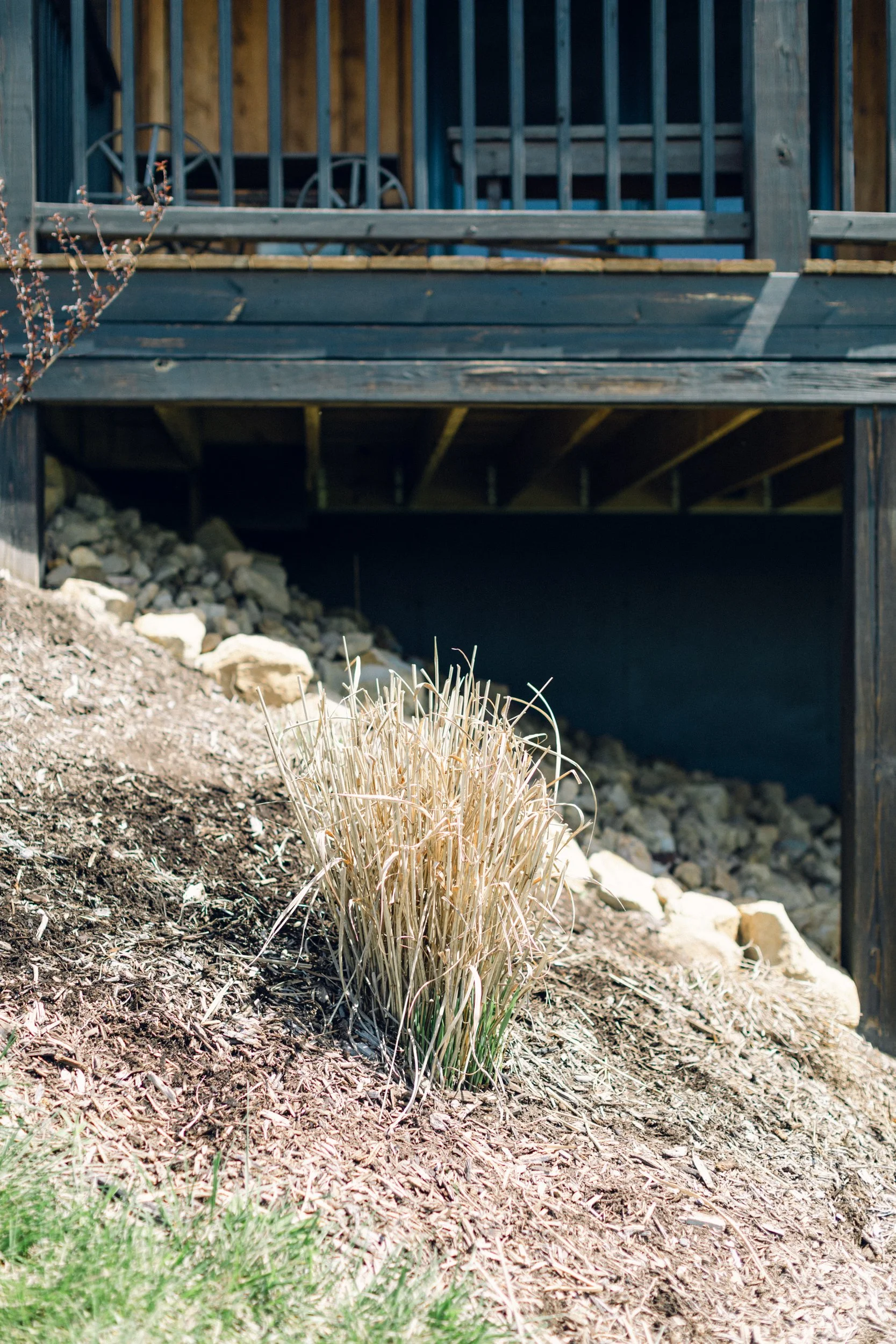
Back to the spring cleanup though, today I want to share something I’ve recently learned about spring trimming. I used to diligently cut down old stems pretty low, if not almost to the ground, so that newly emerging green foliage could quickly cover up the pale weathered stems of winter and the garden could look more “spring-like” and colorful. But, did you know you can support a whole slew of native bees by trimming higher up so that they can lay eggs in the hollow stems you leave? Check out this brochure from the Xerces Society for Invertebrate Conservation. It recommends “leaving stem stubble of varying height, 8 to 24 inches, to provide nest cavities.” I’m so excited to do this now!
The above images show the before and after trimming of my native switchgrass I have out front of my home. I staggered the trimming, first cutting all off around 24 inches high, and then going back in to trim some stems lower, roughly between that 8-24 inch height rule. It does take a little more time and care than the hacking back method I used to practice, but it was quite enjoyable time spent in the spring the sunshine, listening to the birds and letting my thoughts wander while I worked.
Sidenote, the excessive mulch in this bed is temporary — I am planning to fill it in with echinacea, like purple coneflowers and black- and brown-eyed susans to help bring further pollinator support and stabilize this pretty steep hill.
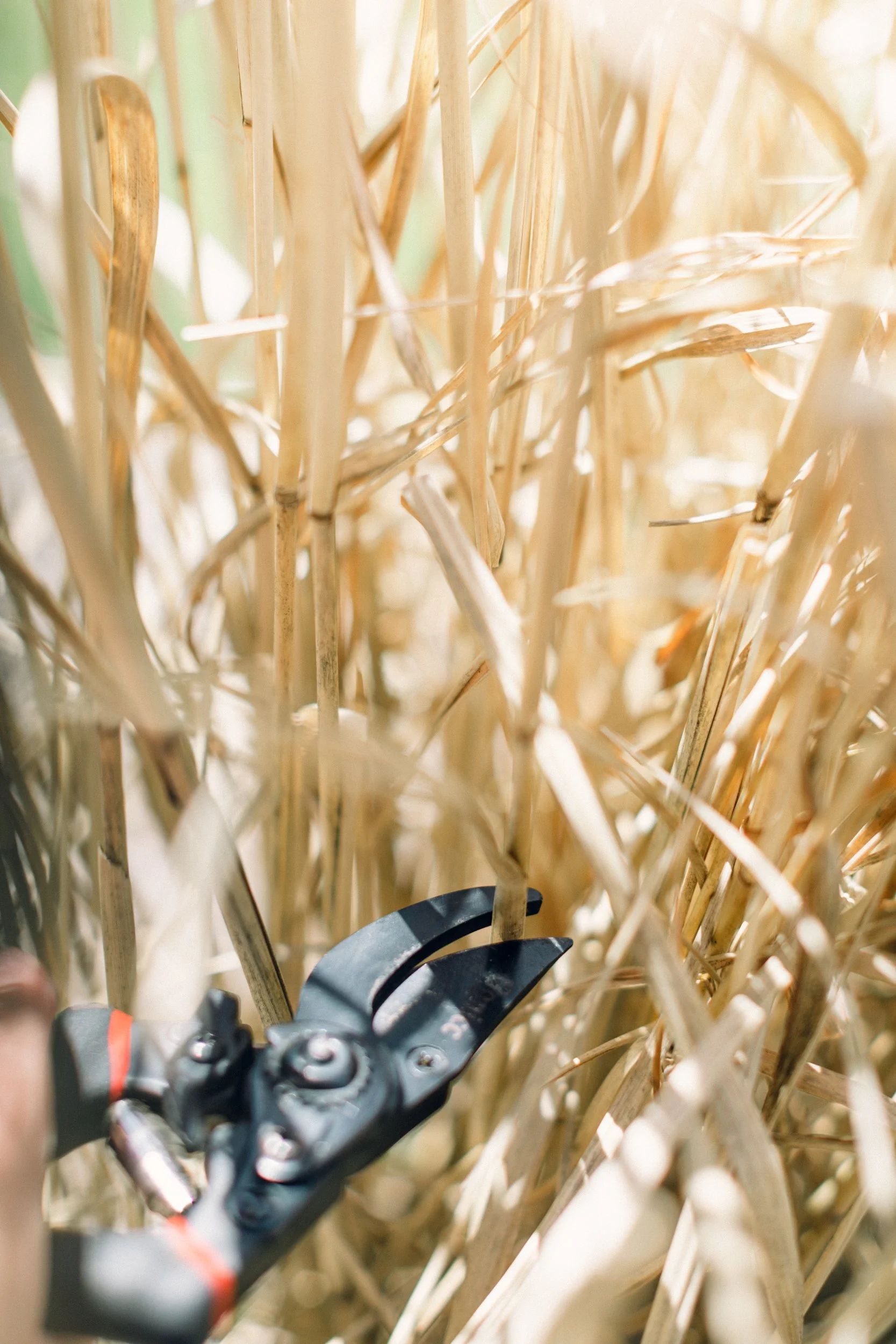
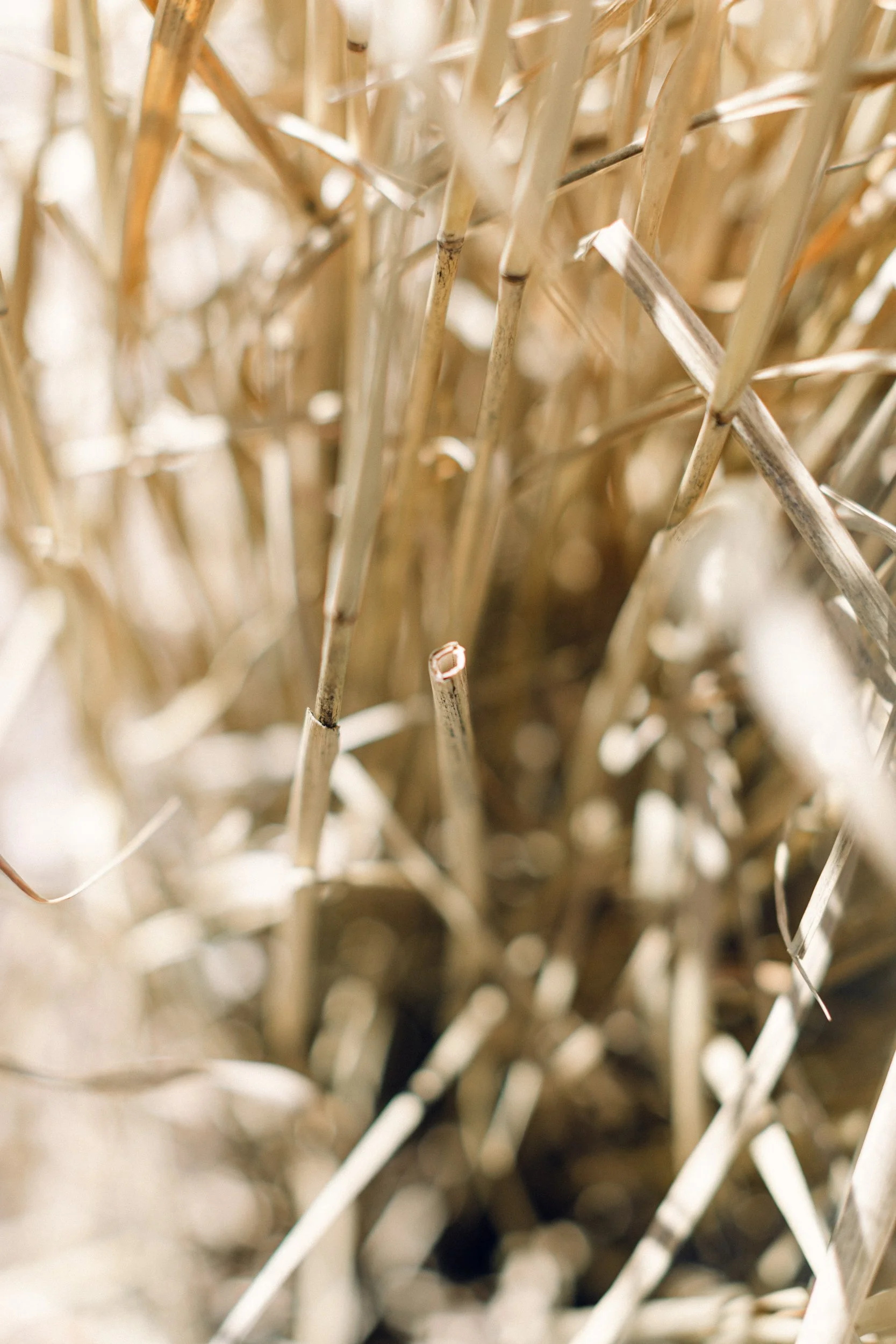
Pictures above: the first cut and then the perfect hollow stem that hopefully a native bee may use this season!
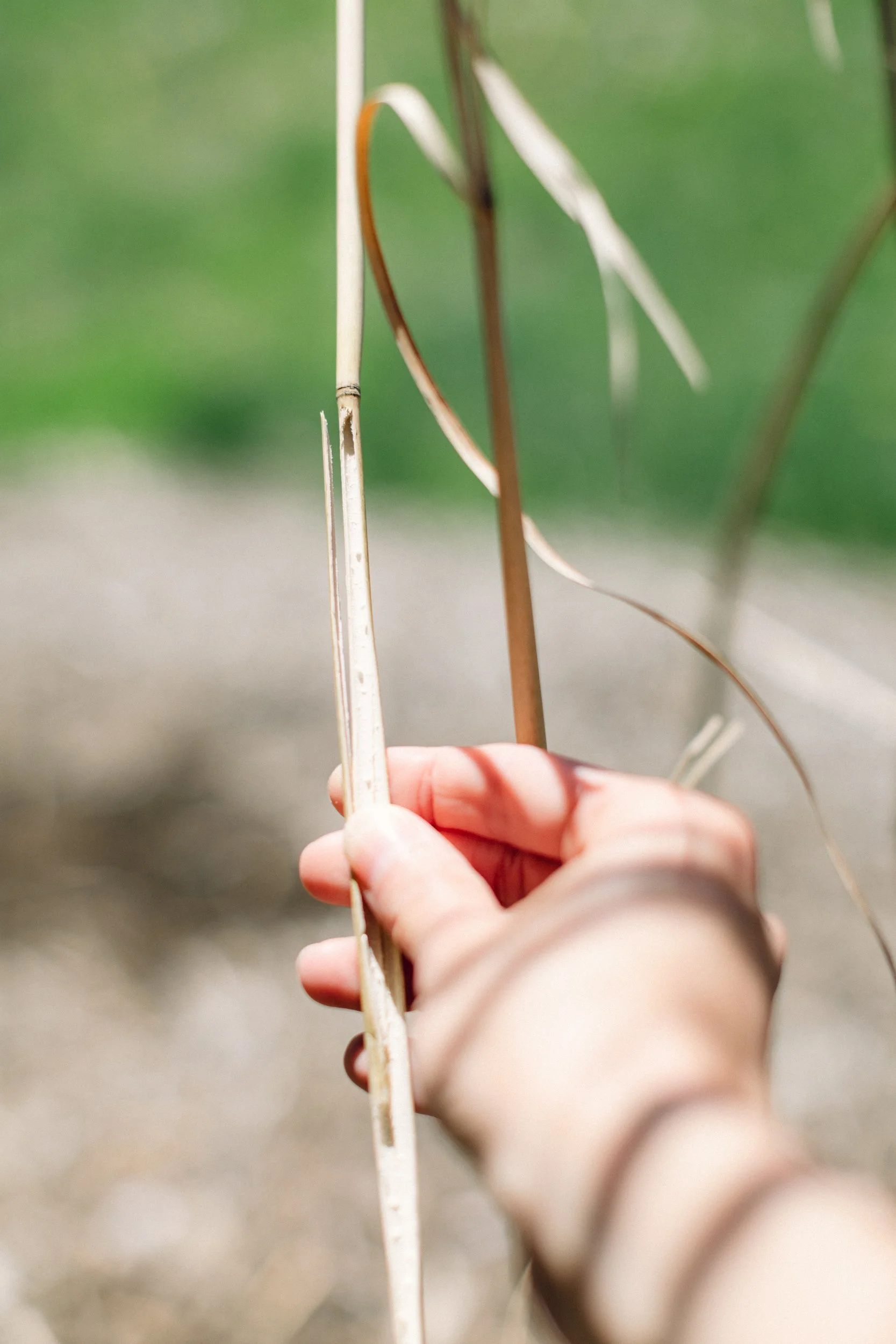
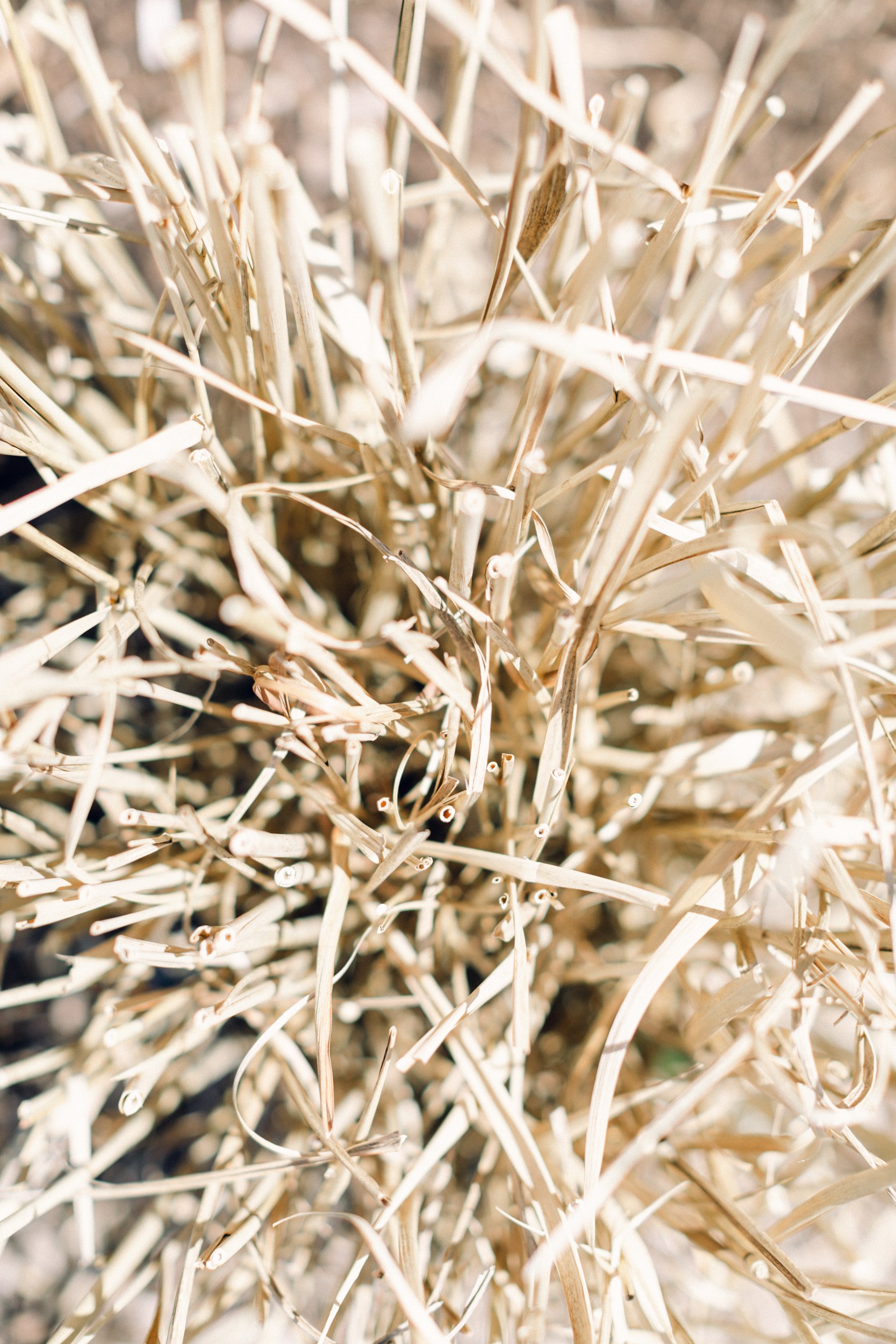
Here’s another photo where I’ve broken a cut stem to show the hollowness inside, and then the view looking down on all the newly trimmed stems with their cavities open and ready for the bees to come and make a home for their eggs.
Now, I thought that I might be bothered at how this would look and maybe find it a bit unkempt, but honestly I’m kind of loving the look of these stems being left. It feels like the structure remains to be grown around, versus a more barren landscape starting from closer to the ground. And maybe it’s not as green, but I know within just a few short weeks the new, lush foliage will likely be as tall or taller than those stems, so that’s pretty short-lived. And, I also like that along with leaving these stems here the dried grassy leaves remain too for nesting birds to use as they continue to forage the garden areas for nesting supplies this season.
Will you be joining me in creating bee stems during the spring garden cleanup?